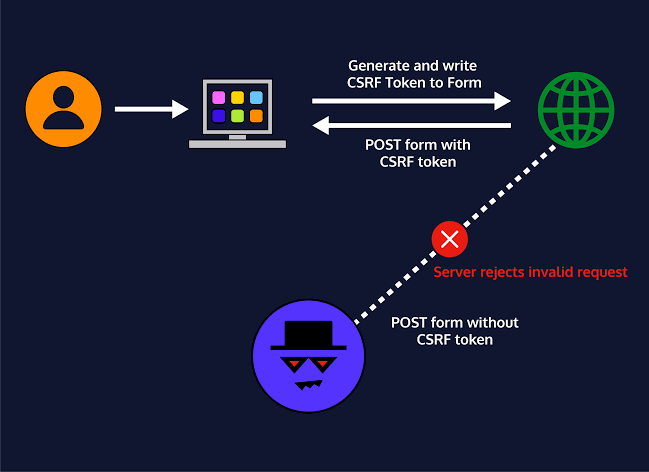
What Is CSRF?
What Is CSRF? Cross-Site Request Forgery Explained with Examples Cross-Site Request Forgery (CSRF) tricks a logged-in user’s browser into sending

What Is CSRF? Cross-Site Request Forgery Explained with Examples Cross-Site Request Forgery (CSRF) tricks a logged-in user’s browser into sending
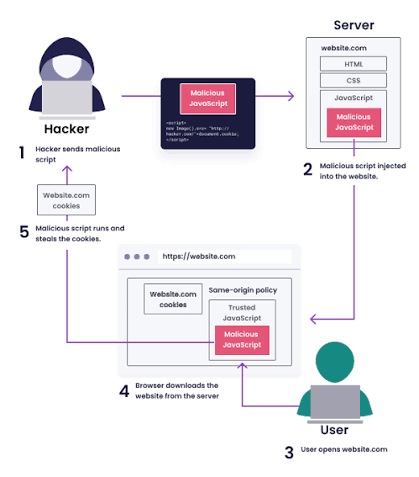
Cross-Site Scripting (XSS): Types, Examples, and How to Fix It Cross-Site Scripting (XSS) happens when an application allows an attacker
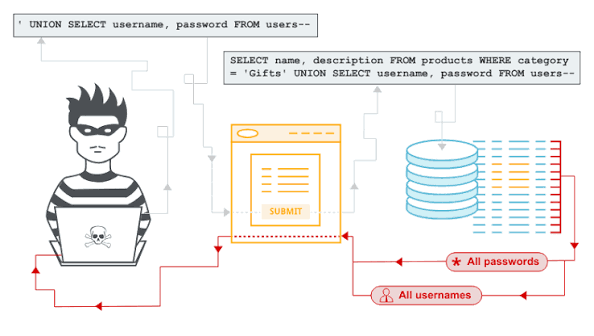
SQL Injection Explained for Beginners: How It Works and How to Prevent It SQL Injection (SQLi) is one of the
HTB Layover — From Open WiFi to Root: A Full Attack-Chain Breakdown Machine: Layover · Platform: Hack The Box · Season: 12 · OS: Linux (Ubuntu 24.04
CVE-2014-6271 Shellshock is a remote command execution vulnerability affecting GNU Bash. It became one of the best-known security flaws of
CVE-2014-0160 Heartbleed is a information disclosure vulnerability affecting OpenSSL. It became one of the best-known security flaws of its time
How AD trusts define security boundaries: parent/child, forest and external trusts, direction, transitivity, SID filtering and selective authentication, plus commands to enumerate, audit and monitor trusts.
How AD-integrated DNS, SRV records and dynamic updates underpin authentication, why insecure updates and record takeover matter, and how to audit AD DNS with nslookup, Resolve-DnsName, dcdiag and repadmin.
SIDs, DACLs, ACEs and the dangerous rights (GenericAll, WriteDACL, WriteOwner, AddMember, ForceChangePassword) that form BloodHound-style attack paths, plus how to audit and cut them.

How Group Policy and SYSVOL work, why GPO edit permissions are a domain-wide code-execution risk, the GPP cpassword exposure, and how to audit, detect and harden Group Policy.