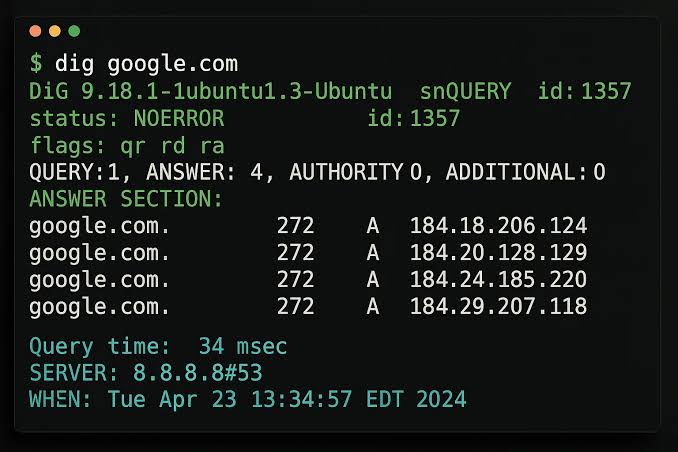
Linux DNS Resolution Security: resolv.conf, systemd-resolved, and Name Resolution Risks
1. Introduction DNS affects almost every networked Linux workload. Applications use it to locate APIs, package repositories, identity systems, databases,
Linux for security practitioners: privilege escalation, enumeration, essential commands, and hardening — practical cheat sheets and tutorials for both offensive and defensive work.
1. Introduction DNS affects almost every networked Linux workload. Applications use it to locate APIs, package repositories, identity systems, databases,
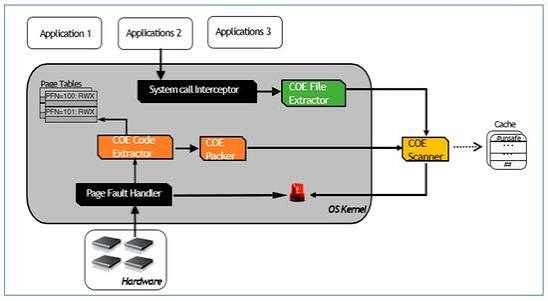
1. Introduction Processes are where code actually runs, so runtime inspection is central to Linux security. The /proc filesystem exposes
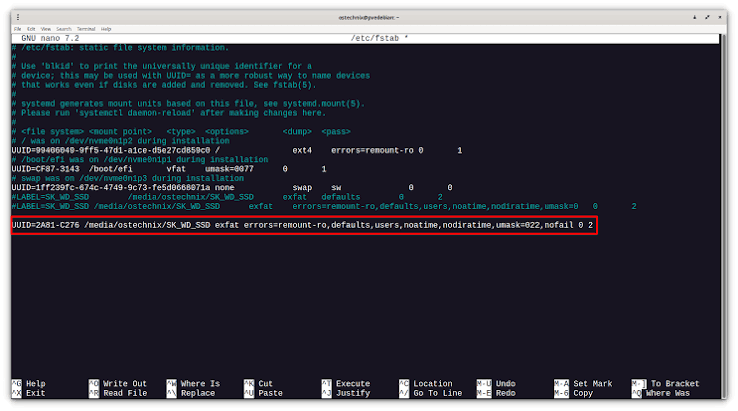
1. Introduction Mount options define more than where a filesystem appears. They can determine whether executables run, whether device files
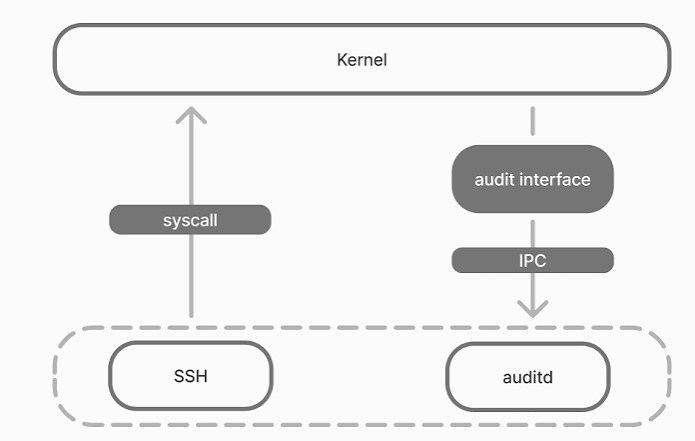
1. Introduction auditd provides kernel-level security auditing for Linux systems. Unlike ordinary application logs, the audit subsystem can record selected
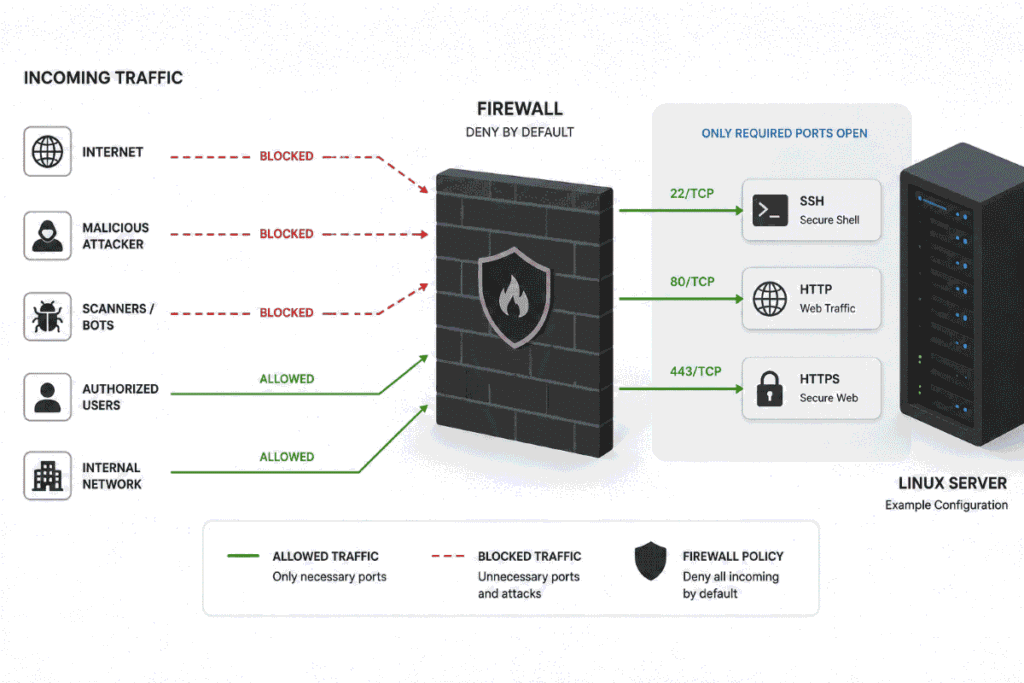
1. Introduction sysctl exposes runtime kernel parameters that influence networking, memory behavior, process visibility, and many security controls. Baseline hardening
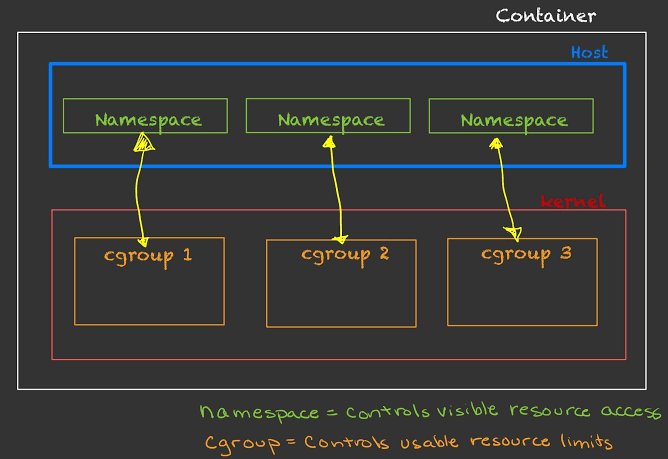
1. Introduction Linux containers rely on kernel isolation primitives rather than a separate guest kernel. Namespaces isolate resources such as
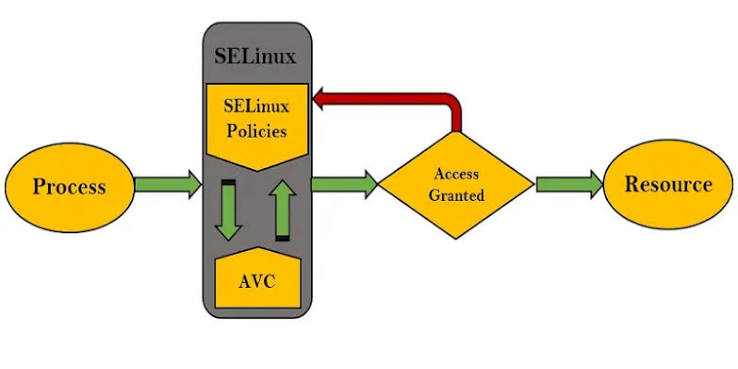
1. Introduction Traditional Unix permissions answer whether a user or group may access a file. Mandatory Access Control adds another

1. Introduction Linux package managers make system maintenance efficient by resolving dependencies, validating metadata, and installing software from repositories. The
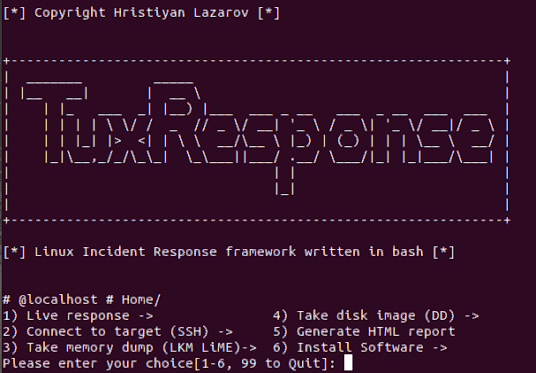
1. Introduction When a Linux host is suspected of compromise, the first minutes matter. Responders need a repeatable triage process
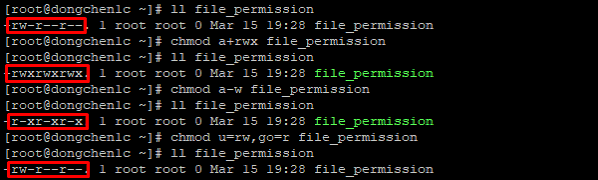
1. Introduction Linux permissions are one of the first security controls applied to almost every file, directory, device, socket, and