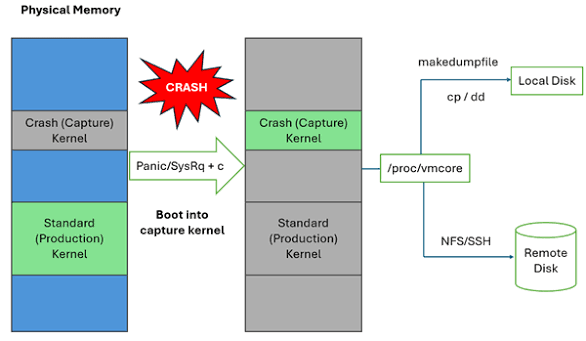
Linux Core Dumps and Process Memory: Security Risks, Debugging, and Hardening
1. Introduction Linux Core Dumps and Process Memory: Security Risks, Debugging, and Hardening is an advanced Linux security topic because
Linux for security practitioners: privilege escalation, enumeration, essential commands, and hardening — practical cheat sheets and tutorials for both offensive and defensive work.
1. Introduction Linux Core Dumps and Process Memory: Security Risks, Debugging, and Hardening is an advanced Linux security topic because
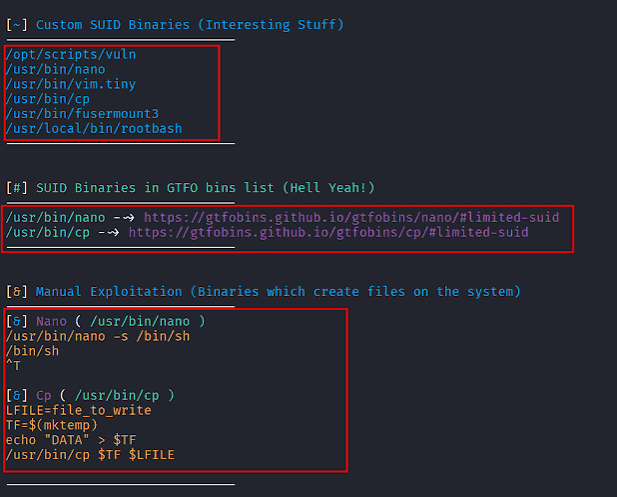
1. Introduction SUID and SGID are legacy but still important Unix permission mechanisms. They allow a program to execute with
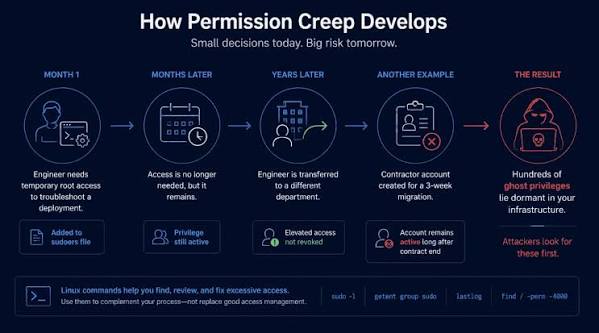
1. Introduction sudo is designed to let administrators delegate specific privileged actions without giving every operator unrestricted root access. In
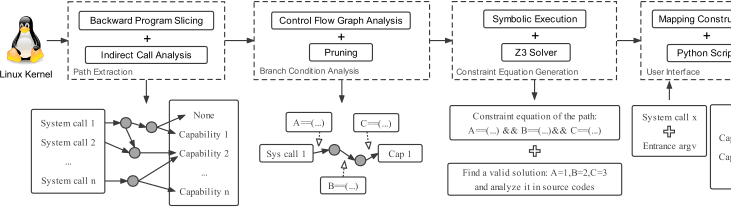
1. Introduction Linux capabilities split the traditional all-powerful root privilege into smaller units such as binding to low ports, changing
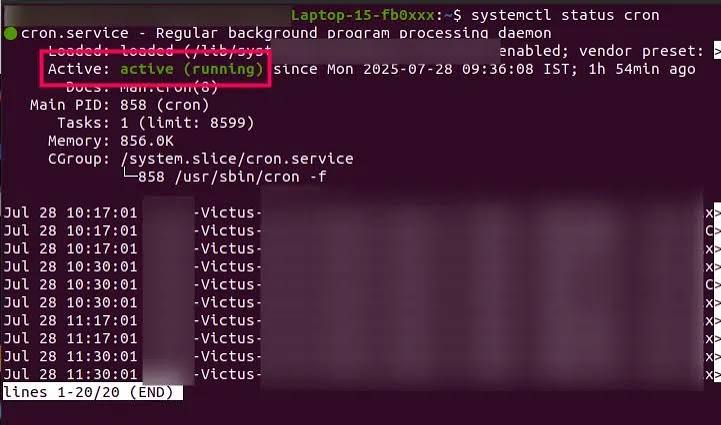
1. Introduction Scheduled tasks keep Linux systems running: backups, cleanup, certificate renewal, reporting, log rotation, and application maintenance often happen
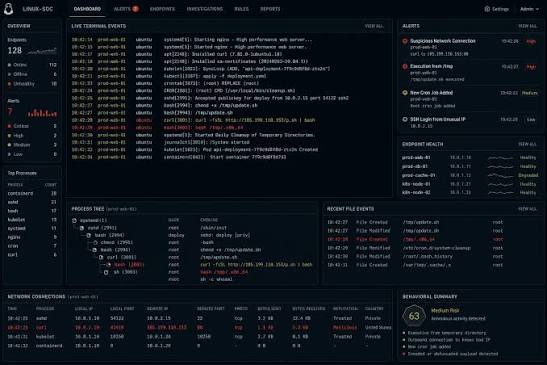
1. Introduction SSH hardening on Linux comes down to a few high-impact controls: use key-based authentication, disable direct root login
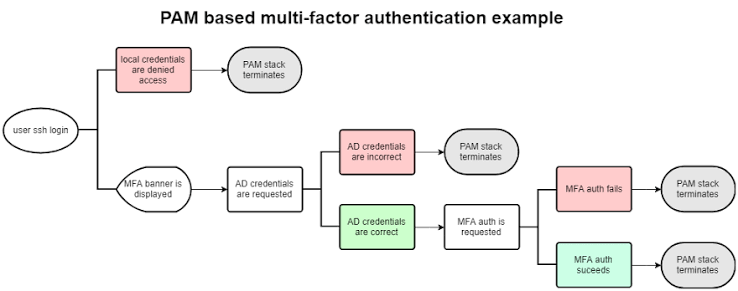
1. Introduction Pluggable Authentication Modules, or PAM, sit behind many Linux login paths. SSH, sudo, console login, su, screen lockers,
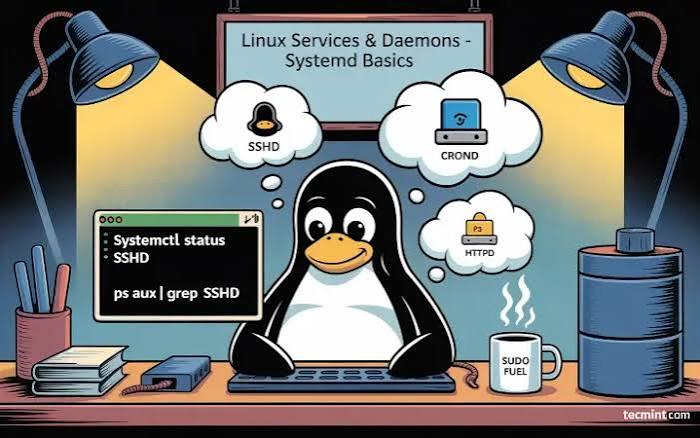
1. Introduction systemd does more than start and stop services. It includes a large set of sandboxing controls that can
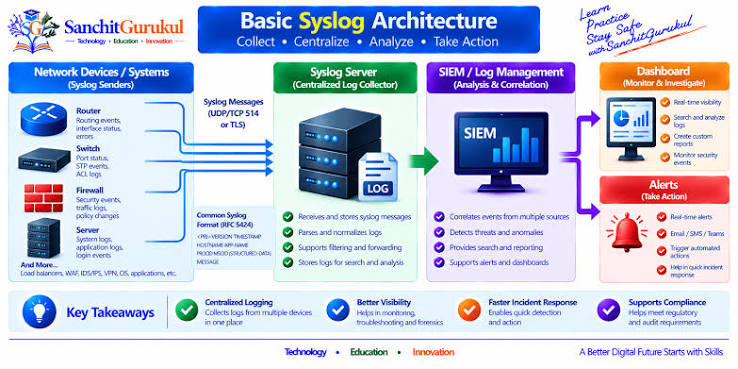
1. Introduction Logs are the memory of a Linux system. Authentication attempts, service failures, kernel messages, scheduled jobs, sudo usage,
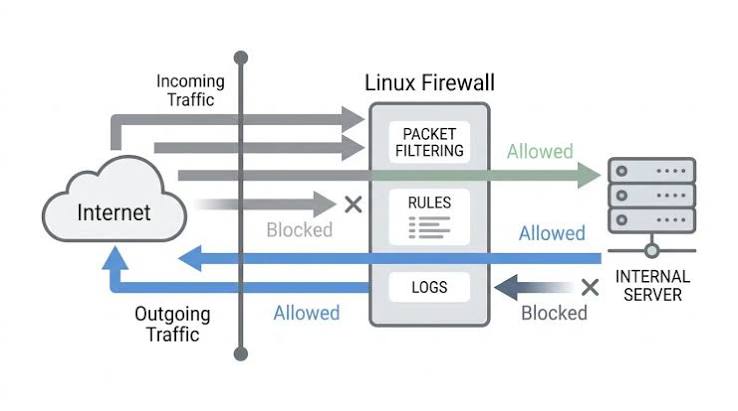
1. Introduction A Linux host firewall limits which network traffic can reach local services and what traffic local processes can