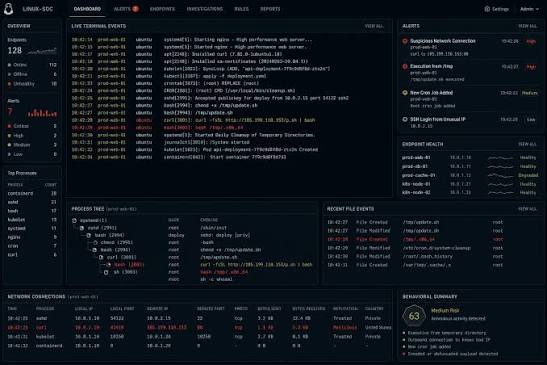
SSH Hardening on Linux: Keys, Configuration, and Brute-Force Resistance
1. Introduction SSH hardening on Linux comes down to a few high-impact controls: use key-based authentication, disable direct root login

1. Introduction SSH hardening on Linux comes down to a few high-impact controls: use key-based authentication, disable direct root login
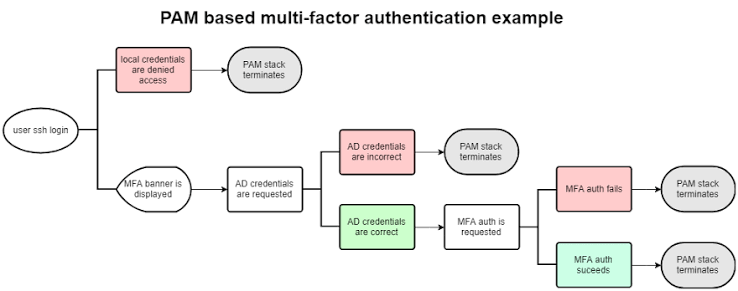
1. Introduction Pluggable Authentication Modules, or PAM, sit behind many Linux login paths. SSH, sudo, console login, su, screen lockers,
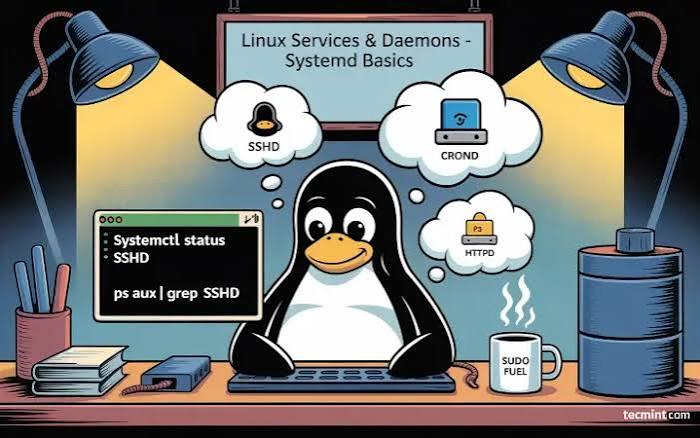
1. Introduction systemd does more than start and stop services. It includes a large set of sandboxing controls that can
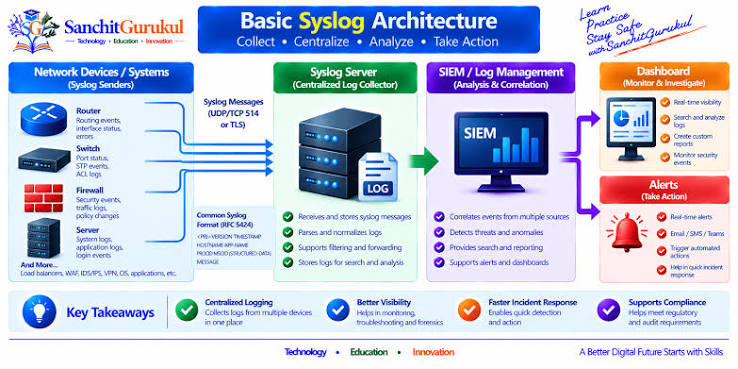
1. Introduction Logs are the memory of a Linux system. Authentication attempts, service failures, kernel messages, scheduled jobs, sudo usage,
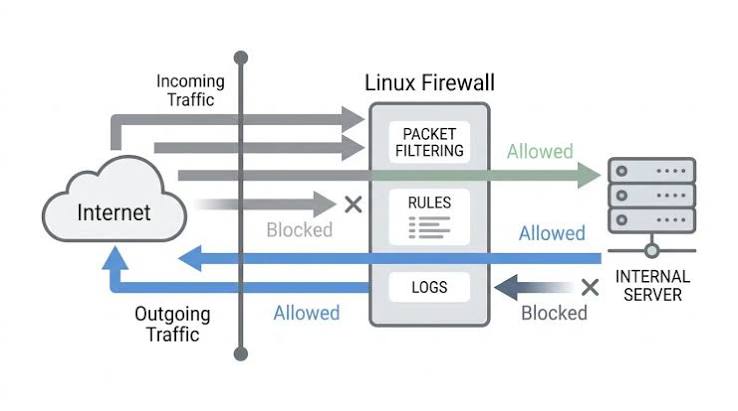
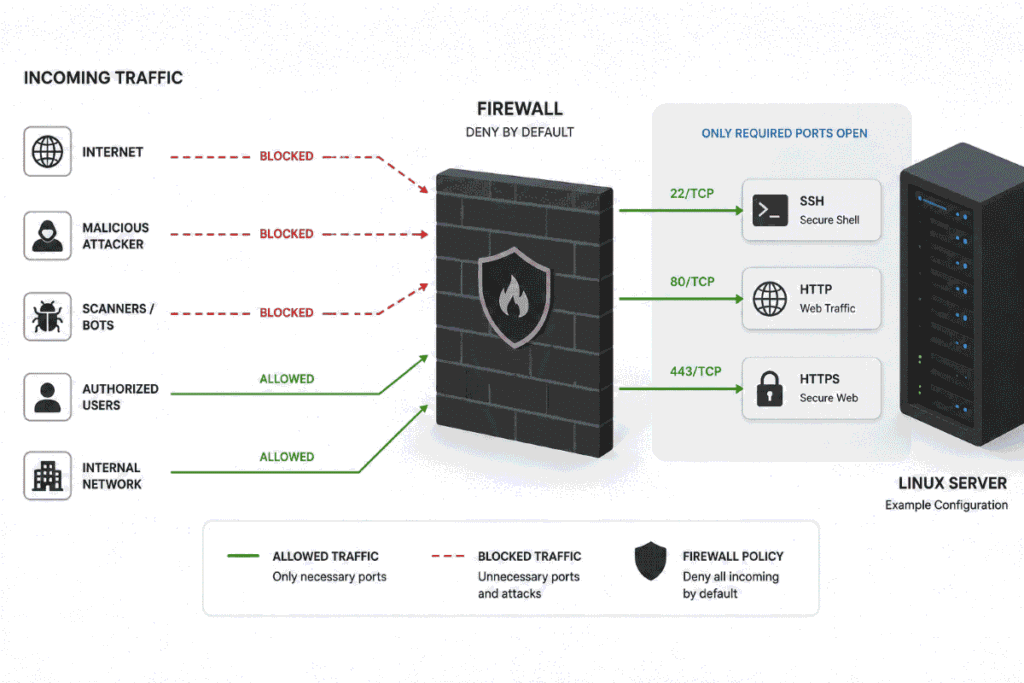
1. Introduction A Linux host firewall limits which network traffic can reach local services and what traffic local processes can
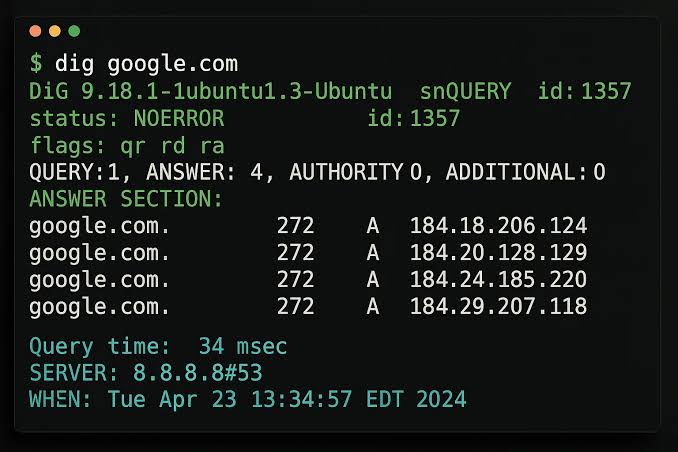
1. Introduction DNS affects almost every networked Linux workload. Applications use it to locate APIs, package repositories, identity systems, databases,
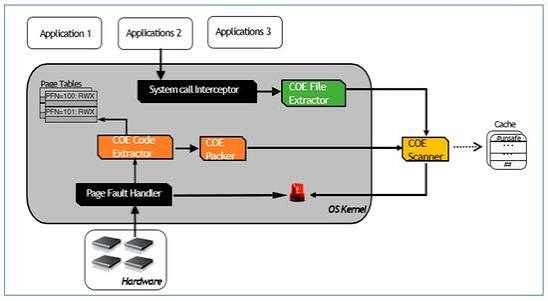
1. Introduction Processes are where code actually runs, so runtime inspection is central to Linux security. The /proc filesystem exposes
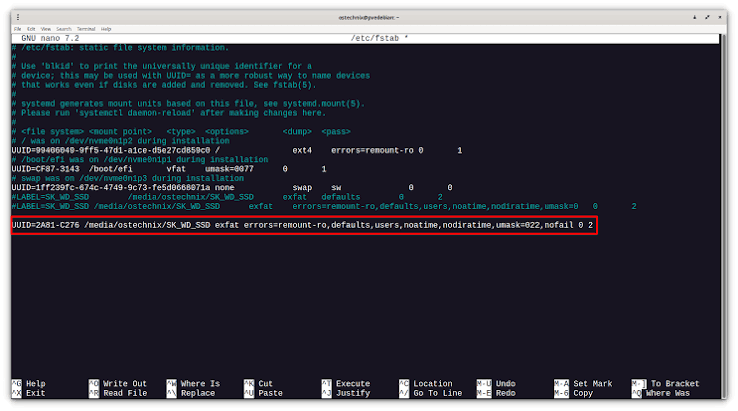
1. Introduction Mount options define more than where a filesystem appears. They can determine whether executables run, whether device files
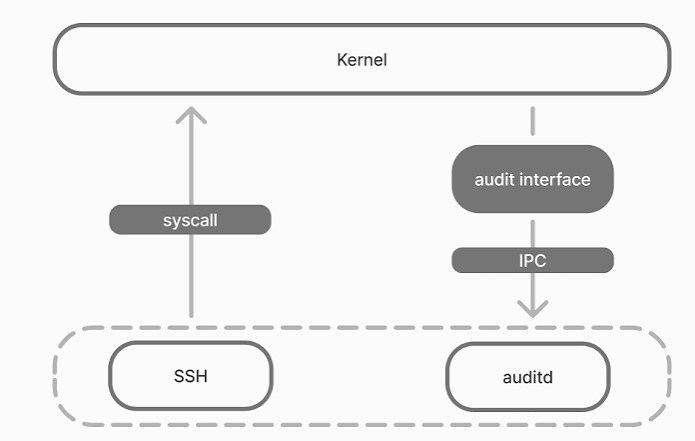
1. Introduction auditd provides kernel-level security auditing for Linux systems. Unlike ordinary application logs, the audit subsystem can record selected
1. Introduction sysctl exposes runtime kernel parameters that influence networking, memory behavior, process visibility, and many security controls. Baseline hardening