Linux Memory Security: ASLR, NX, PIE, Stack Canaries, and Kernel Protections
1. Introduction Linux Memory Security: ASLR, NX, PIE, Stack Canaries, and Kernel Protections is an advanced Linux security topic because

1. Introduction Linux Memory Security: ASLR, NX, PIE, Stack Canaries, and Kernel Protections is an advanced Linux security topic because
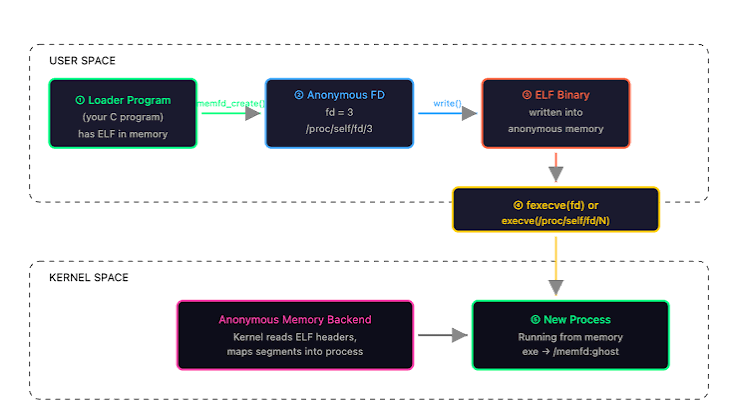
1. Introduction Advanced Linux Forensics: Deleted Files, /proc, File Descriptors, and Memory Artifacts is an advanced Linux security topic because
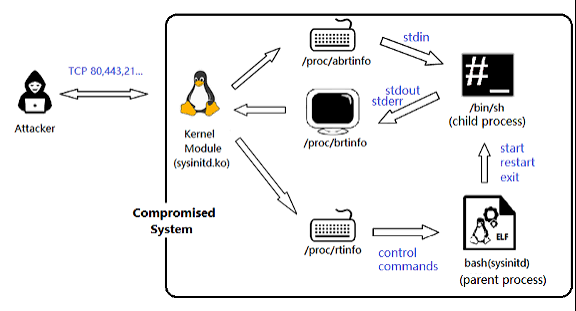
1. Introduction Linux Rootkit Detection: Processes, Kernel Modules, Hooks, and Integrity Verification is an advanced Linux security topic because rootkits
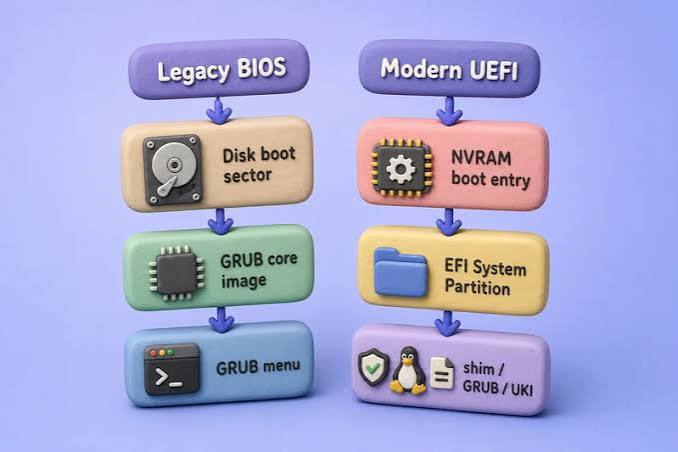
1. Introduction Linux Boot Security: GRUB, Secure Boot, initramfs, Kernel Parameters, and Recovery Risks is an advanced Linux security topic
1. Introduction Linux Storage Security: LVM, Device Mapper, Snapshots, RAID, and Data Exposure is an advanced Linux security topic because
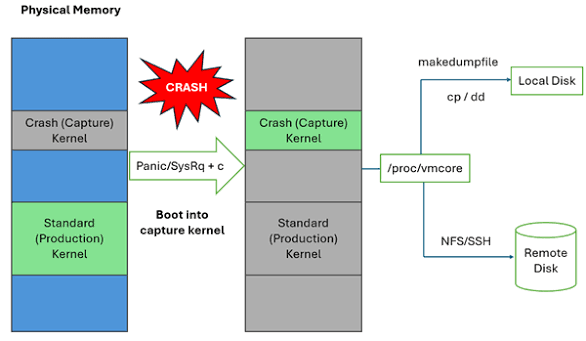
1. Introduction Linux Core Dumps and Process Memory: Security Risks, Debugging, and Hardening is an advanced Linux security topic because
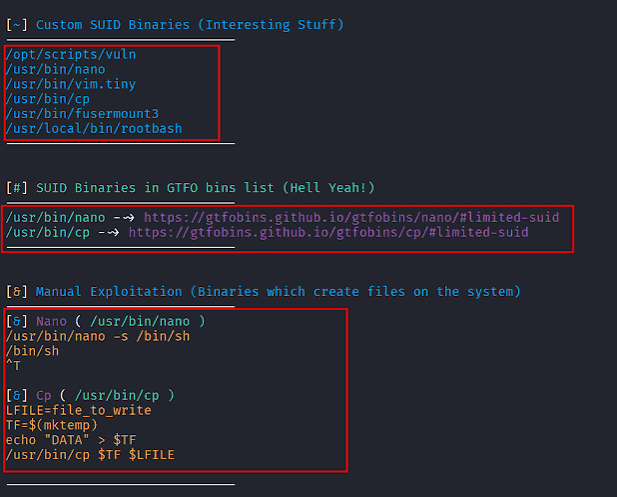
1. Introduction SUID and SGID are legacy but still important Unix permission mechanisms. They allow a program to execute with
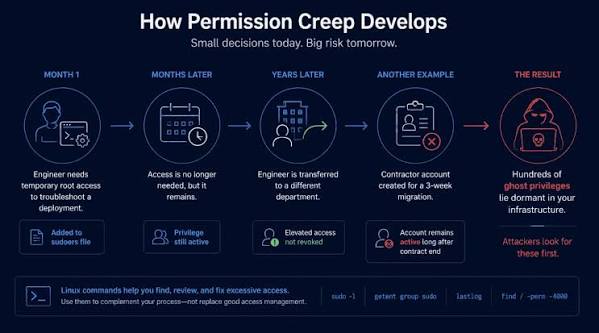
1. Introduction sudo is designed to let administrators delegate specific privileged actions without giving every operator unrestricted root access. In
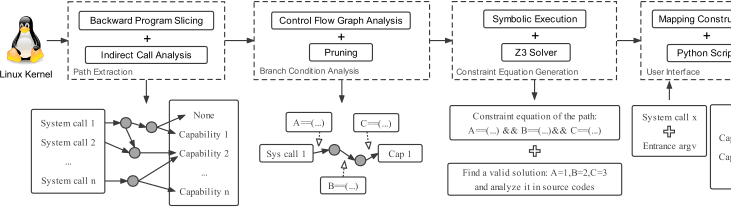
1. Introduction Linux capabilities split the traditional all-powerful root privilege into smaller units such as binding to low ports, changing
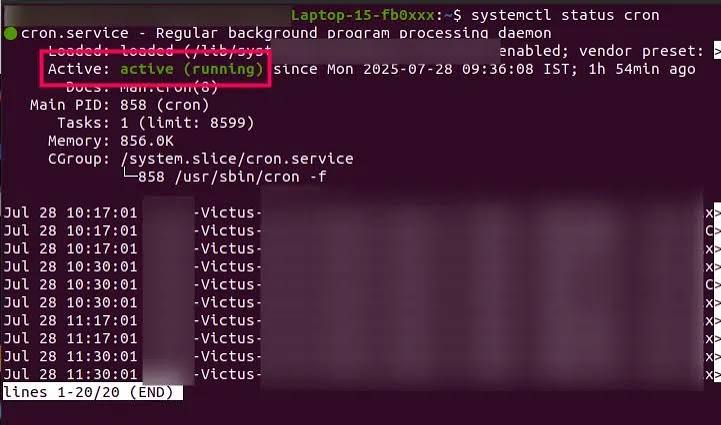
1. Introduction Scheduled tasks keep Linux systems running: backups, cleanup, certificate renewal, reporting, log rotation, and application maintenance often happen